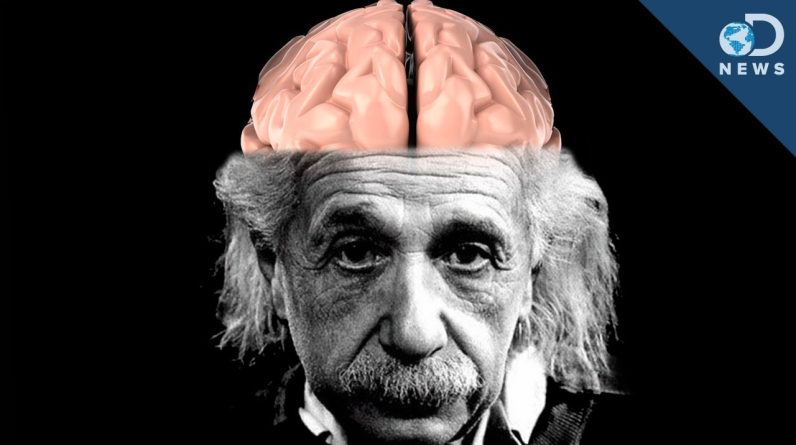


The promise of improving cognitive abilities through targeted mental training has captured public imagination and generated a multi-billion dollar industry offering programs claiming to enhance memory, attention, and intelligence.
However, the actual specific research supporting many commercial cognitive training programs presents a more nuanced, disappointing picture than marketing materials suggest.
While the brain’s neuroplastic capacity allows for improvement through practice, the specific effects depend heavily on what is practiced and the extent to which improvements transfer beyond trained tasks.
Understanding the realistic potential and limitations is important for individuals considering such programs.
In what follows, we’ll discuss what research shows about cognitive training effects, the evaluation of commercial brain training programs, and the ways of leveraging mental training.
What Research Shows About Cognitive Training
Scientific studies examining cognitive training programs reveal a complex picture where some benefits occur but often fall short of advertised claims.
Research consistently demonstrates that practice on specific cognitive tasks improves performance on those exact tasks, reflecting neuroplastic changes.
However, the true question concerns the transfer of these benefits to untrained tasks and real-world cognitive functions, and here the evidence becomes considerably weaker.
Most studies find limited transfer even to similar untrained tasks. Transfer to general cognitive abilities remains even more questionable, with rigorous studies often finding no meaningful improvements in real world performance despite substantial practice.
This reflects a fundamental principle where the brain adapts specifically to demands placed upon it, becoming more efficient at practiced tasks without necessarily producing broader enhancement.
Examination of Commercial Programs
The commercial brain training industry has faced significant criticism regarding claims that exceed available evidence.
Many popular programs cite research in marketing, but careful examination often reveals that cited research does not actually support the broad claims being made.
When independent researchers conduct well-controlled studies, they typically find smaller effects and less transfer than company-sponsored research suggests.
Several major scientific organizations have issued statements cautioning that claims generally reach above available evidence.
Working memory training has received particular attention, but larger and more rigorous studies have generally failed to replicate promising early findings.
While working memory training can improve performance on working memory tasks, evidence for transfer to other cognitive abilities remains weak.
Meta-analyses find small effects on non-trained tasks but essentially no effects on measures of intelligence or academic achievement.
Approaches With Better Evidence
While commercial brain training programs show limited evidence for broad benefits, other forms of mental training demonstrate more robust effects.
Learning complex real world skills including musical instruments, new languages, or actively working on professional competencies produces substantial neural changes.
These activities engage multiple cognitive systems simultaneously and involve meaningful content.
Unlike decontextualized cognitive exercises, real-world learning produces skills with practical value and may show greater transfer.
Paradoxically, one of the most effective approaches to cognitive enhancement involves physical exercise.
Substantial evidence demonstrates that regular aerobic exercise produces broad benefits for cognitive function, including improved memory, attention, and executive function.
Exercise increases production of growth factors that support neuroplasticity. Physical activity improves cardiovascular health, increasing blood flow to the brain.
The cognitive benefits of exercise show better evidence for transfer to diverse cognitive tasks compared to computerized cognitive training.
Realistic Expectations
Understanding realistic expectations helps individuals make informed decisions.
Cognitive training will improve performance on practiced tasks, but transfer to other abilities typically remains limited.
The principle of training specificity means that to improve at something, one should practice that specific thing.
Those seeking to maintain cognitive health should focus on intellectually stimulating activities they find enjoyable and sustainable.
Individuals can apply understanding of neuroplasticity through evidence-based approaches.
Pursuing genuine learning of valued skills provides both cognitive and practical benefits.
Engaging in diverse cognitive activities promotes broader neural stimulation.
Maintaining physical fitness provides robust cognitive benefits.
Ensuring adequate sleep, managing cardiovascular risk factors, and maintaining social connections represent lifestyle factors with strong evidence for preserving cognitive function.
Final Thoughts
While neuroplasticity enables the brain to change through experience, the specific effects of mental training depend specifically on what is practiced.
Commercial brain training programs typically produce limited benefits beyond improved performance on trained tasks, with evidence failing to support broad claims about cognitive enhancement.
Alternative approaches including learning real-world skills, engaging in diverse intellectually stimulating activities, and maintaining regular physical exercise show better evidence for meaningful cognitive benefits.
By maintaining critical perspectives on cognitive training claims and pursuing genuine learning and healthy lifestyles, individuals can successfully utilize neuroplasticity to support cognitive health.